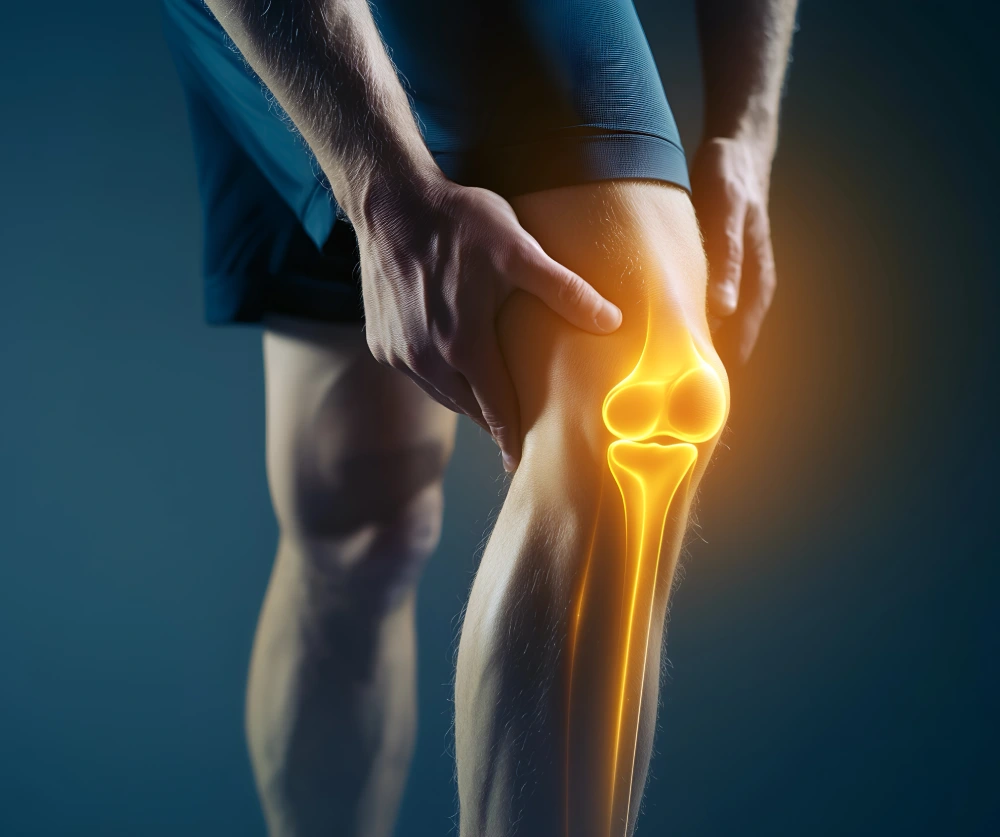
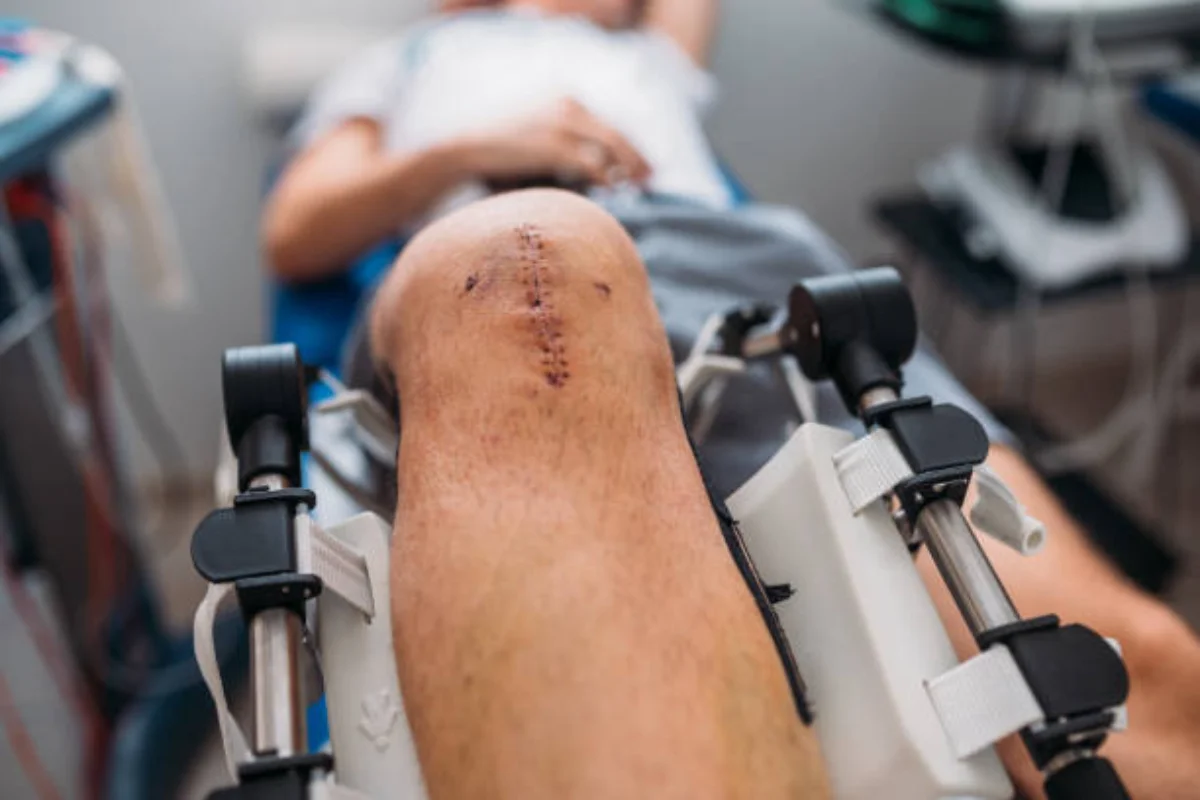
Knee replacement, or knee arthroplasty, is a surgical procedure that replaces a damaged knee joint with an artificial one. It’s a common and highly successful procedure that reduces pain, improves mobility, and enhances quality of life. This guide provides an overview of knee replacement, including reasons for the procedure, types of replacements, and the surgical process. It also covers recovery, potential risks, and what to expect. Knee replacement can significantly improve life for those with severe knee problems.
The procedure involves replacing the damaged joint with a prosthetic one, and recovery typically includes physical therapy to regain strength and mobility. With proper care, knee replacement can be a highly effective solution for severe knee issues.
Knee replacement is typically recommended when other treatments, such as medication, physical therapy, and lifestyle modifications, have failed to provide adequate pain relief and improve function. Common reasons for needing a knee replacement include :
Good candidates for knee replacement typically :
The type of knee replacement performed depends on the extent of the damage and the specific needs of the patient :


110,000 +

12000 +
The general steps involved in a knee replacement procedure :
Recovery is a gradual process and requires dedication to physical therapy.
As with any surgery, knee replacement carries risks. Understanding these is important :
To maximize the success and longevity of your knee replacement :
Knee Replacement Surgery is a highly effective procedure that can significantly improve the quality of life for individuals suffering from severe knee problems. Understanding the process, potential benefits, risks, and adhering to your surgeon’s and physical therapist’s guidance are crucial for a successful outcome. Consult your physician to determine if knee replacement is the right option for you.
Copyright © Dr. Anoop Khandelwal. All Rights Reserved.