
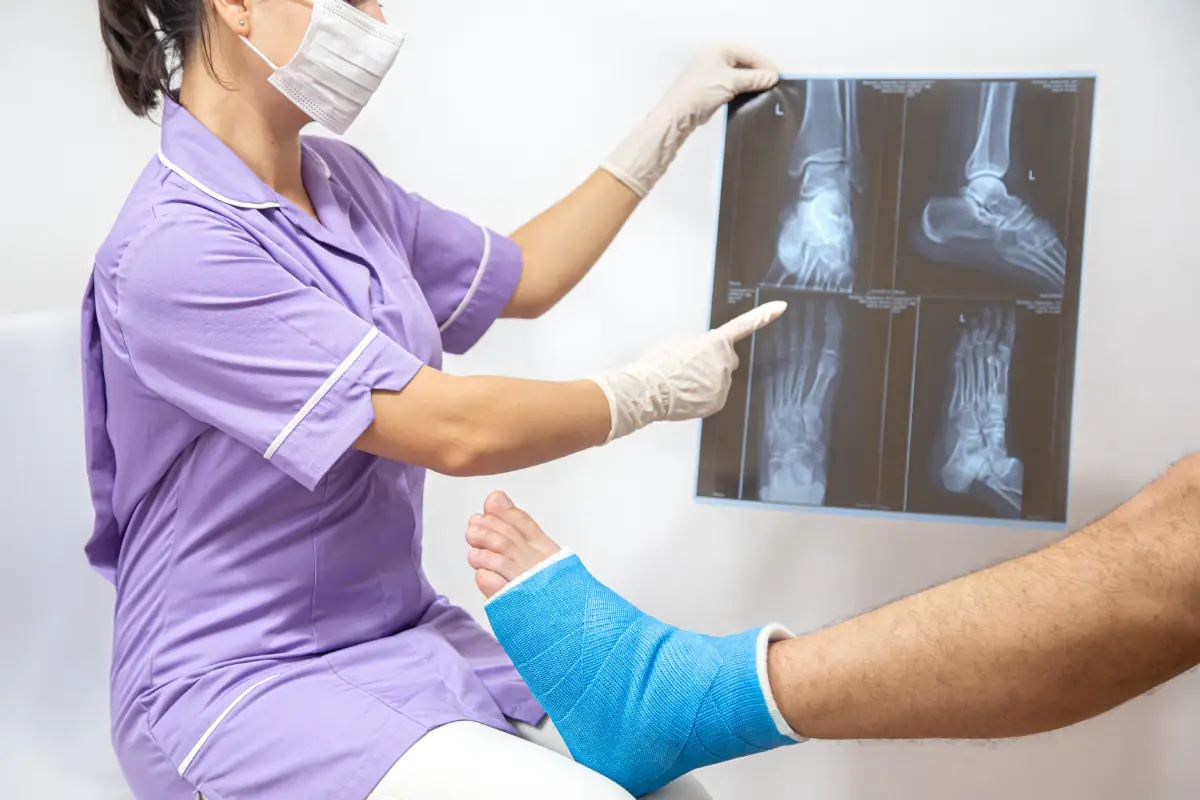
Fracture Surgeries are essential orthopedic procedures designed to realign broken bones and promote proper healing. These surgeries vary in complexity, ranging from minimally invasive techniques to more extensive open procedures, depending on the type, location, and severity of the fracture. Indications for surgery include displaced or unstable fractures that cannot heal properly through non-surgical methods, which typically involve immobilization with casts or braces.
The primary goals of fracture surgery are to restore function, relieve pain, and enable patients to resume their daily activities. By employing advanced techniques and technologies, surgeons can enhance recovery outcomes, minimize complications, and facilitate a return to normalcy.
Successful management of fractures not only improves patients’ quality of life but also empowers them to engage fully in their work, sports, and recreational passions. Thus, fracture surgeries play a vital role in orthopedic care and rehabilitation.
Fracture surgery is indicated when :


110,000 +

12000 +
Fracture surgeries play a crucial role in restoring mobility and function to injured individuals. With advancements in surgical techniques and technologies, the success rates of these procedures continue to improve, enabling patients to regain their quality of life more quickly. By understanding the intricacies of fracture management and the surgical landscape, patients can better navigate their recovery journey toward a stronger, more resilient future.
Copyright © Dr. Anoop Khandelwal. All Rights Reserved.