

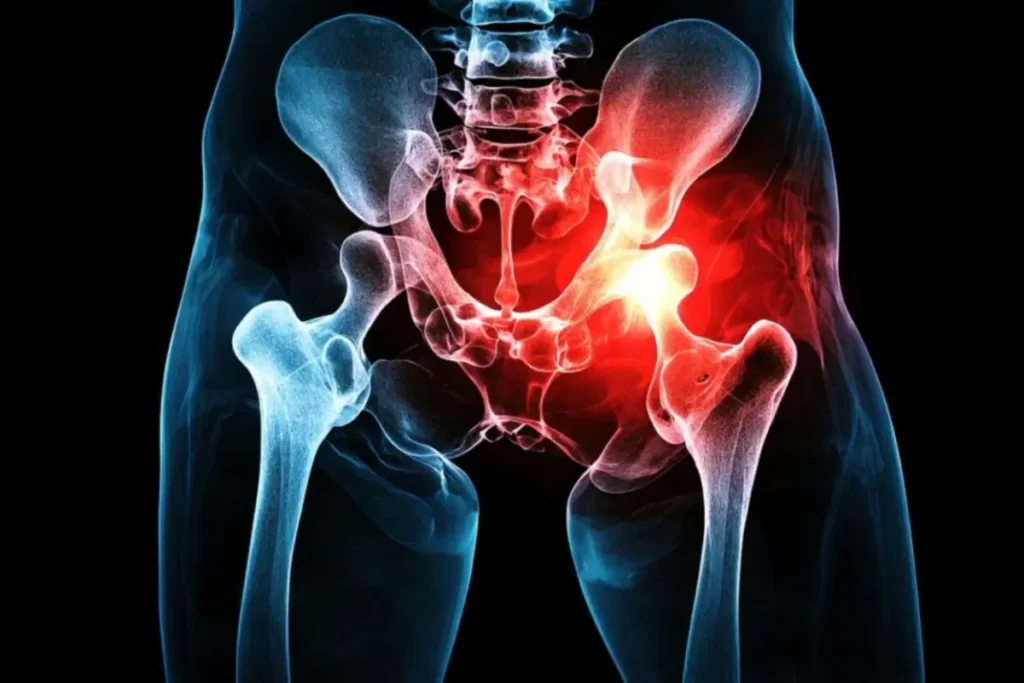
Hip pain can seriously affect your daily life, making it difficult to walk, sit, climb stairs, or perform routine activities. For people suffering from severe joint damage, arthritis, or chronic hip pain, Hip Replacement Surgery offers an effective long-term solution. Modern orthopedic treatments and advanced surgical techniques have made hip replacement one of the most successful procedures for restoring mobility and improving quality of life.
This comprehensive guide explains everything about Hip Replacement Surgery, including causes, symptoms, procedure details, recovery time, benefits, risks, and treatment options.
What Is Hip Replacement Surgery ?
Hip Replacement Surgery, also known as Hip Arthroplasty, is a surgical procedure in which a damaged hip joint is replaced with an artificial implant. The artificial joint is designed to improve movement, reduce pain, and restore normal hip function.
During the surgery, the damaged bone and cartilage are removed and replaced with prosthetic components made from metal, ceramic, or durable plastic materials.
Doctors may recommend Hip Joint Replacement Surgery when non-surgical treatments such as medications, physiotherapy, and lifestyle changes no longer provide relief.
Dr. Anoop Khandelwal brings exceptional expertise in orthopedic care with over 12,000 successful surgeries performed. Known for advanced surgical skills and patient-focused treatment, he specializes in knee replacement, hip replacement, and complex trauma care. His commitment to precision, innovation, and faster recovery makes his orthopedic hospital a trusted choice for quality treatment.
Common Causes of Hip Damage
- Osteoarthritis
Osteoarthritis is the most common reason for hip replacement. It causes cartilage breakdown, resulting in pain, stiffness, and reduced mobility.
- Rheumatoid Arthritis
Rheumatoid Arthritis can severely damage knee joints over time.
- Hip Fractures
Serious injuries or fractures caused by accidents or falls can permanently damage the hip joint.
- Avascular Necrosis
This condition occurs when blood supply to the hip bone is reduced, causing bone tissue death.
- Chronic Hip Pain
Persistent hip pain that interferes with daily life may require surgical treatment.
Types of Hip Replacement Surgery
- Total Hip Replacement
In a total hip replacement, both the ball and socket of the hip joint are replaced with artificial implants.
- Partial Hip Replacement
Only one part of the hip joint is replaced, usually after certain types of fractures.
- Revision Hip Replacement
This procedure replaces an old or damaged hip implant with a new one.
4. Minimally Invasive Hip Replacement
Advanced surgical techniques use smaller incisions for reduced pain and faster recovery.
Symptoms That Indicate You May Need Hip Replacement
You should consult an orthopedic specialist if you experience :
- Severe hip pain during movement
- Difficulty walking or standing
- Stiffness in the hip joint
- Pain while resting or sleeping
- Reduced range of motion
- Swelling around the hip
- Difficulty climbing stairs
- Pain not relieved by medication or therapy
Hip Replacement Surgery Procedure
- Pre-Surgery Evaluation
Before surgery, doctors may recommend :
- X-rays and MRI scans
- Blood tests
- Physical examination
- Review of medical history
- Fitness assessment
- During the Procedure
The surgery usually takes 1-2 hours and involves:
- Removing damaged bone and cartilage
- Preparing the hip socket
- Inserting the artificial implant
- Replacing the femoral head
- Testing joint movement and stability
- Closing the incision
Many hospitals now offer robotic-assisted hip replacement surgery for greater precision.
Recovery After Hip Replacement Surgery
- Hospital Stay
Patients generally stay in the hospital for 2-5 days after surgery.
- Physical Therapy
Physical Therapy is essential for strengthening muscles and improving flexibility after surgery.
- Recovery Timeline
Recovery speed depends on age, health condition, and rehabilitation progress.
- Walking with support : Within 1-2 days
- Returning to light activities : 4-6 weeks
- Full recovery : 3-6 months
Risks and Complications
Although knee replacement surgery is generally safe, potential risks include :
- Infection
- Blood clots
- Implant loosening
- Nerve damage
- Stiffness in the knee
- Allergic reaction to implants
Choosing an experienced orthopedic surgeon reduces these risks.
Cost of Hip Replacement Surgery
The cost of hip replacement surgery depends on several factors, including :
- Hospital location
- Surgeon expertise
- Type of implant used
- Robotic technology
- Room category and facilities
- Insurance coverage
In India, hip replacement surgery is often more affordable compared to many international healthcare destinations while maintaining advanced medical standards.
Tips for Faster Recovery After Hip Replacement
To recover effectively after surgery :
- Follow physiotherapy exercises regularly
- Avoid sudden twisting movements
- Maintain a healthy weight
- Use support devices if recommended
- Eat a balanced, protein-rich diet
- Attend all follow-up appointments
Frequently Asked Questions (FAQs)
- Is hip replacement surgery painful ?
Pain is controlled with medications, and most patients experience significant relief after recovery.
- How long does a hip implant last ?
Most modern implants last between 15 and 25 years.
- Can I walk normally after hip replacement ?
Yes, most patients regain normal walking ability after rehabilitation.
- What is the best age for hip replacement surgery ?
There is no fixed age. Surgery depends on pain severity, mobility limitations, and joint condition.
Conclusion
Hip Replacement Surgery is a highly successful procedure for treating severe hip pain and joint damage. With advancements in orthopedic technology, minimally invasive techniques, and rehabilitation care, patients can enjoy long-term pain relief and improved mobility.
If chronic hip pain is limiting your daily activities, consulting an experienced orthopedic specialist can help determine whether hip replacement surgery is the right treatment option for you.