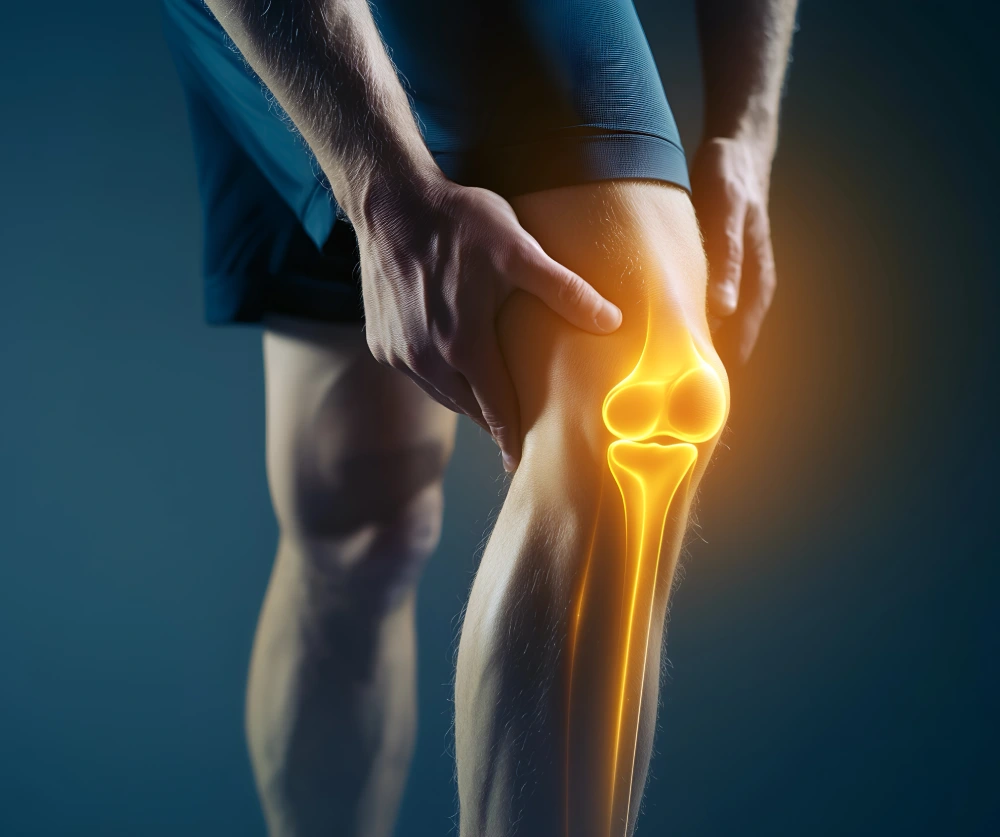
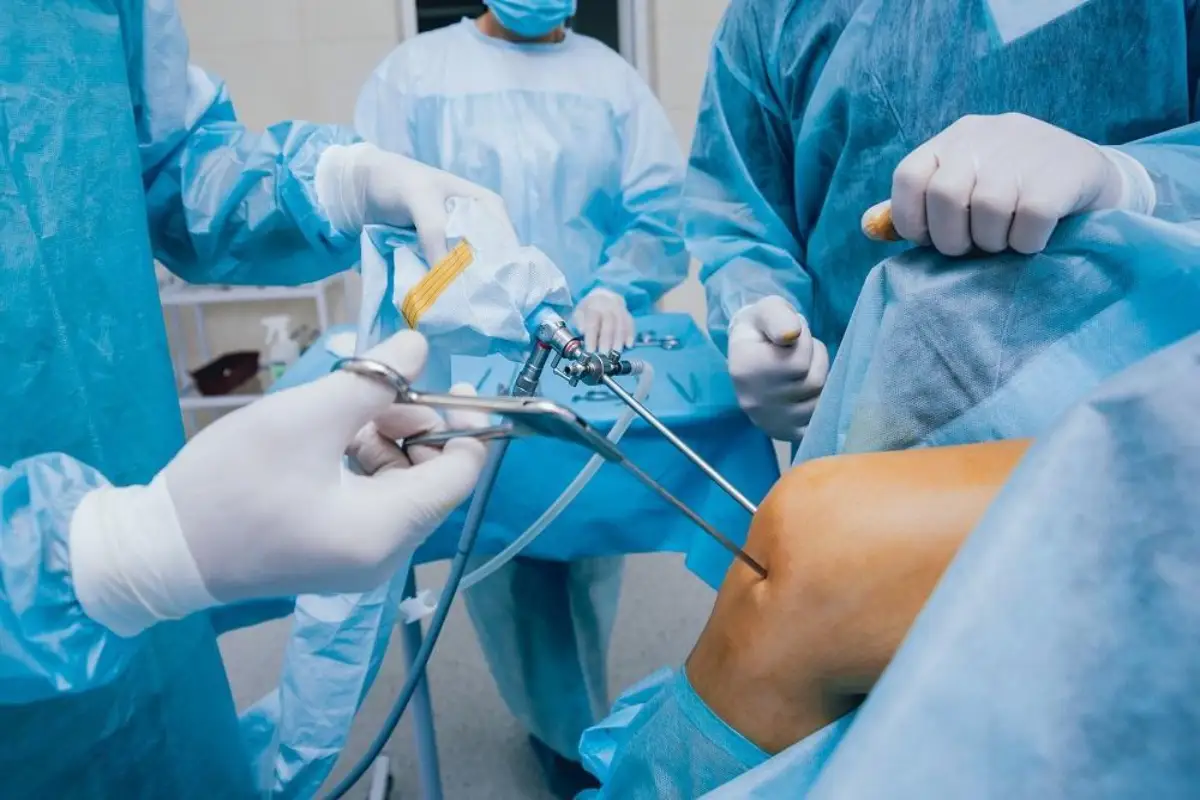
Athletes and active individuals frequently experience sports injuries, ranging from minor sprains to severe ligament and cartilage tears. Arthroscopy, a minimally invasive surgical technique, has become essential in treating many of these injuries. This procedure involves small incisions and the use of an arthroscope to visualize and repair joint issues, minimizing tissue damage.
Common injuries treated with arthroscopy include meniscus and ACL tears in the knee, rotator cuff injuries in the shoulder, and ligament repairs in the ankle. The benefits of arthroscopy include reduced recovery time, less postoperative pain, and lower infection risks. Comprehensive rehabilitation protocols following the surgery enable athletes to regain strength and function, allowing for a quicker return to their sports activities.
Arthroscopy is a surgical procedure that allows orthopedic surgeons to visualize, diagnose, and treat issues within a joint using a small camera called an arthroscope. The process involves making tiny incisions around the joint and inserting the device, which provides real-time images on a monitor, enabling precise evaluation and intervention.


110,000 +

12000 +
Arthroscopy serves as an invaluable tool in the management of sports injuries, offering athletes a minimally invasive option to diagnose and treat various joint problems effectively. By combining advanced surgical techniques with comprehensive rehabilitation protocols, athletes can achieve favorable outcomes, restore function, and return to their activities more quickly. Understanding the potential benefits, risks, and recovery processes associated with arthroscopy is crucial for athletes, coaches, and anyone engaged in sports. Through proactive injury management, individuals can maintain their performance and minimize the long-term effects of sports injuries.
Copyright © Dr. Anoop Khandelwal. All Rights Reserved.