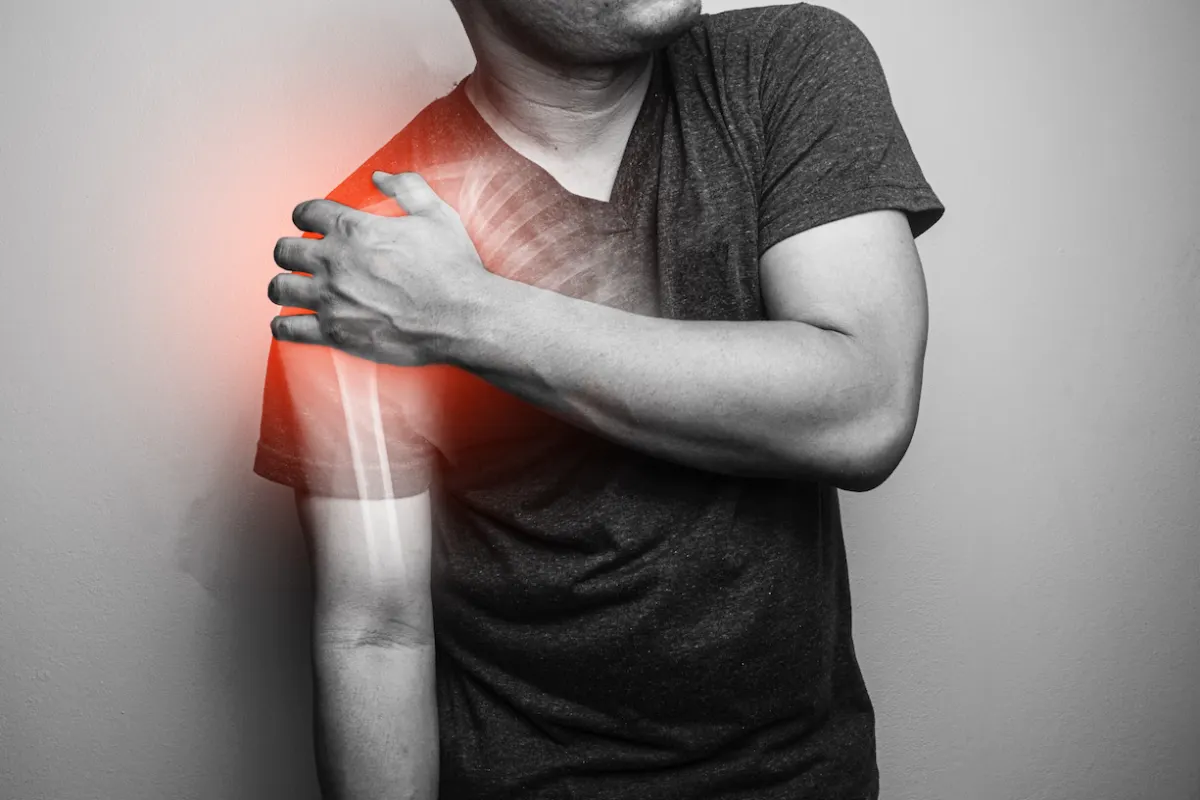
Shoulder Replacement Surgery, or Shoulder Arthroplasty, involves removing a damaged shoulder joint and replacing it with an artificial joint (prosthesis). It is primarily performed to relieve pain and restore function in individuals with severe shoulder issues, often due to osteoarthritis, rheumatoid arthritis, or rotator cuff tears.
The procedure includes several types, such as total Shoulder Replacement, reverse Shoulder Replacement, and Partial Shoulder Replacement, based on the specific condition. The surgery involves anesthesia, making an incision, and implanting the prosthetic components. Recovery typically involves a hospital stay, pain management, and physical therapy to regain mobility. Potential risks include infection, blood clots, dislocation, and implant failure. Long-term management emphasizes rehabilitation, regular follow-ups, and lifestyle adjustments for optimal outcomes.


110,000 +

12000 +
Recovery from shoulder replacement surgery generally follows these stages :
As with any surgical procedure, shoulder replacement surgery carries some risks, which may include :
To optimize the success and longevity of a shoulder replacement, consider the following :
Shoulder replacement surgery can significantly improve quality of life for individuals suffering from chronic shoulder pain and dysfunction. Understanding the procedure, recovery process, potential risks, and the importance of rehabilitation is essential for achieving successful outcomes. Consult with an orthopedic specialist to determine if shoulder replacement is the right option for you and to ensure a tailored approach to your specific needs.
Copyright © Dr. Anoop Khandelwal. All Rights Reserved.