
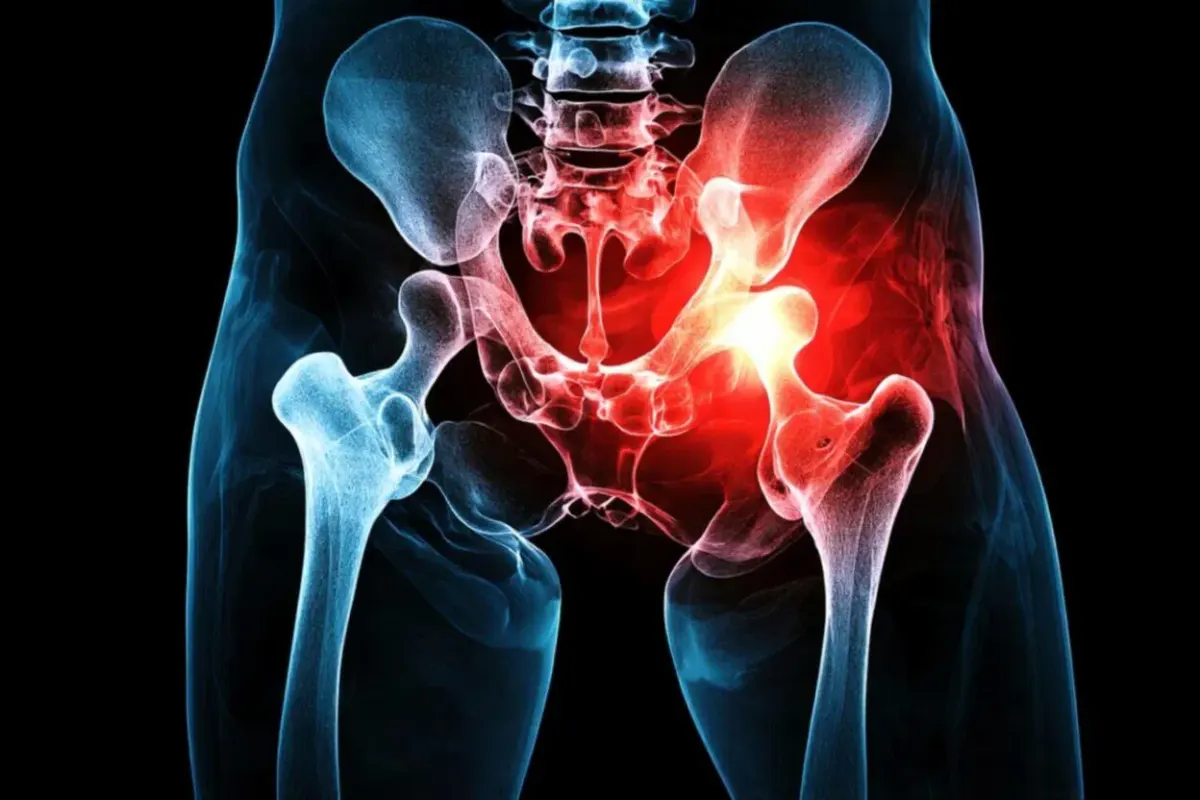
Hip Replacement Surgery, or Hip Arthroplasty, involves removing a damaged hip joint and replacing it with an artificial joint (prosthesis). It is typically performed to relieve pain and improve function in individuals with severe hip joint damage due to conditions like osteoarthritis, rheumatoid arthritis, or fractures.
The procedure includes a pre-operative assessment, induction of anesthesia, and surgical implantation of the prosthesis. Recovery involves hospital stay, pain management, and physical therapy to regain mobility. Potential risks include infection, blood clots, and implant loosening. Long-term management includes maintaining a healthy weight, engaging in low-impact exercise, and attending regular follow-ups to monitor joint health.


110,000 +

12000 +
Recovery from hip replacement can vary but generally follows these stages :
As with any surgical procedure, hip replacement carries some risks, including :
After recovery, long-term care and lifestyle modifications can contribute to the success and longevity of the hip replacement :
Hip replacement surgery is a well-established, effective procedure that can significantly improve quality of life for individuals suffering from chronic hip pain and mobility issues. Understanding the process, potential benefits, risks, and adherence to recovery guidelines are essential for achieving optimal outcomes. Consulting with an orthopedic specialist can provide tailored recommendations and guide you through this life-changing journey.
Copyright © Dr. Anoop Khandelwal. All Rights Reserved.